

Natural Barrier Protection for Cold Weather
Table of Contents
- Understanding Your Skin Barrier in Cold Weather
- How to Treat Wind Chapped Skin
- How to Prevent Windburn on Face
- Natural Face Balm for Cold Weather: Choosing the Right Formula
- Layering Clothing and Protective Accessories
- Before, During, and After: Your Cold Weather Exposure Routine
- When to Seek Medical Help
- Frequently Asked Questions
Last Updated: October 13, 2026
Understanding Your Skin Barrier in Cold Weather
Your skin has a natural protective layer called the skin barrier. It keeps moisture in and harmful elements out. Cold air, wind, and low humidity attack this barrier relentlessly.
When temperatures drop, your skin loses water faster. Wind accelerates this moisture loss even more. The result is dry, irritated, cracked skin that feels tight and uncomfortable. This is where natural barrier protection for cold weather becomes essential.
At WAVE + SUMMIT, we understand how harsh outdoor conditions affect your skin. Whether you're hiking mountain trails or spending time on the coast, your skin needs real defense. The good news is that natural ingredients work remarkably well when the formula is right.
Wave.Summit.Life. Quarter Zip Fleece
Your skin barrier has three main jobs: hold in hydration, block irritants, and regulate temperature. Cold weather disrupts all three. Most people wait until damage appears, then scramble for solutions. The smarter approach is prevention through consistent care.
How to Treat Wind Chapped Skin
Wind chapped skin feels raw, tight, and sometimes painful. The skin turns red or darker and may crack or peel. This happens when the protective barrier breaks down under repeated wind exposure.
The first step is to stop using harsh products. Fragmented skin doesn't need stripping cleansers or heavy actives. It needs gentle restoration. Lukewarm water and a soft cloth are your starting point.
Next, apply a natural balm immediately after cleansing. Timing matters here. Damp skin absorbs moisture better than completely dry skin. Look for balms containing grass-fed tallow, jojoba oil, and sweet almond oil. These ingredients mimic your skin's natural oils and absorb without leaving a greasy residue.
Avoid these common mistakes:
- Applying products to completely dry skin (moisture won't penetrate as effectively)
- Using hot water (it strips your skin further)
- Over-exfoliating (damaged skin needs rest, not friction)
- Switching products constantly (consistency builds results)
The WAVE + SUMMIT Fragrance Free Hand + Body Balm works well for wind chapped skin because it contains no added fragrance that could irritate. The formula focuses purely on restoration: grass-fed tallow, jojoba, sweet almond oil, beeswax, and vitamin E. This combination locks in hydration and strengthens your barrier.

Patience and repetition are key.
How to Prevent Windburn on Face
Windburn on your face happens when cold air and wind strip away your skin's protective layer. Prevention is always easier than treatment. Start these habits before you head into harsh conditions.
Layer your protection strategically:
- Wear a scarf or neck gaiter that covers your lower face
- Use a hat with ear coverage to protect your face edges
- Apply natural balm before going outside (not after)
- Reapply every two to three hours if you're outside all day
The timing of application matters. Apply your balm indoors, five to ten minutes before heading outside. This gives it time to set and create a protective seal. Applying it in the cold won't work as well because the formula won't spread evenly.
Choose loose-fitting layers over tight ones. Tight scarves and masks trap moisture against your skin, which creates a different problem: maceration (waterlogged skin). Loose layers allow air circulation while still blocking wind.
Avoid these triggers that worsen windburn:
- Touching your face frequently (introduces bacteria and disrupts the balm)
- Applying water-based moisturizers in the cold (they evaporate and leave skin drier)
- Skipping sunscreen on sunny winter days (reflection off snow intensifies UV damage)
- Staying outside too long without breaks (even with protection, your skin needs recovery time)
For outdoor enthusiasts spending hours in cold conditions, reapplication is non-negotiable. Keep a small tin of balm in your pocket or pack. A 4-ounce tin is compact.
Natural Face Balm for Cold Weather: Choosing the Right Formula
Not all face balms are created equal. The formula determines how well it protects and how your skin responds.
Natural barrier protection for cold weather requires three key ingredients:
Grass-fed tallow mimics your skin's natural sebum more closely than any plant oil. It absorbs quickly and doesn't leave a greasy film. This is why it works so well for outdoor enthusiasts who need protection without looking shiny.
Jojoba oil is structurally similar to your skin's natural oils. It penetrates deeply and supports barrier function. Unlike coconut oil, jojoba doesn't clog pores or cause irritation in sensitive skin.
Sweet almond oil adds additional moisture and vitamin E provides antioxidant protection against environmental stress. Together, these ingredients create a formula that protects and nourishes.
Avoid balms containing these problematic ingredients:
- Petroleum-derived ingredients (they don't biodegrade and sit on skin)
- Synthetic fragrances (they irritate compromised skin barriers)
- Heavy silicones (they trap moisture but don't support barrier health)
- Mineral oil (it blocks your skin's natural regulation)
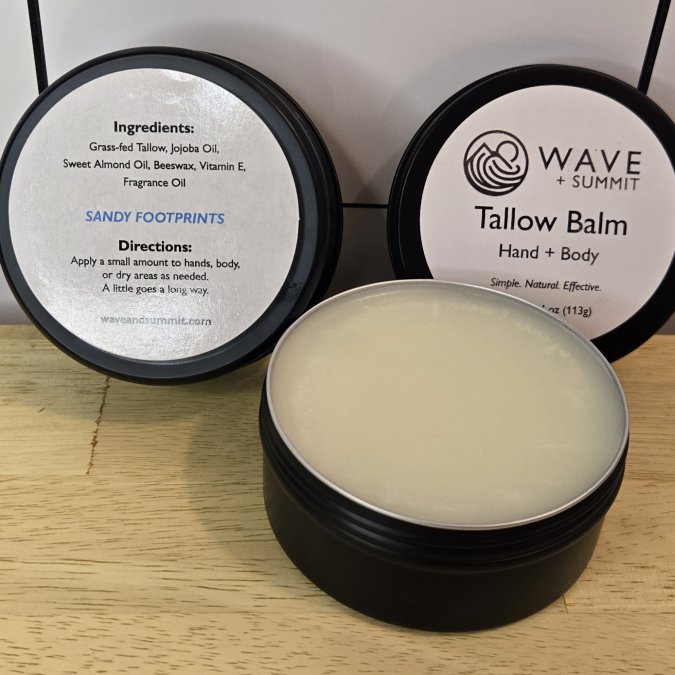
The WAVE + SUMMIT balms come in two options: Fragrance Free for sensitive skin and Sandy Footprints for those who want a light, natural scent. Both use the same protective base formula.
Wave.Summit.Life. Everyday Beanie | Made in USA
Look for balms packaged in reusable tins. Glass or metal containers protect the formula from light damage and reduce plastic waste. Handcrafted products made in small batches tend to have fresher ingredients than mass-produced alternatives.
The investment in quality balm costs less than treating severe windburn or frostbite later.
Layering Clothing and Protective Accessories
Clothing works alongside skincare. They're not separate strategies. Your balm protects skin, and your clothing protects the balm and your skin beneath it.
The layering system that works:
Start with a moisture-wicking base layer. Cotton holds moisture and keeps it against your skin. Synthetic or wool blends move sweat away from your body. This keeps your skin drier and prevents freeze-thaw cycles that damage your barrier.
Add an insulating middle layer. Fleece or wool traps warm air without bulk. The WAVE + SUMMIT Quarter Zip Fleece offers a relaxed fit that allows layering without restriction. The soft interior provides warmth, and the quarter zip lets you adjust ventilation as needed.
Finish with a wind-blocking outer layer. This is your defense against wind chill. A jacket or shell protects your skin from direct wind exposure.
Accessories that matter:
Gloves keep your hands warm and prevent frostbite.
A hat covers your ears, scalp, and the top of your face. These areas lose heat rapidly. The WAVE + SUMMIT Everyday Beanie is made in the USA from durable acrylic knit. It holds its shape through repeated wear and provides genuine warmth without bulk.
A scarf or neck gaiter protects your lower face and neck. Loose-fitting options work best because they allow airflow while blocking wind. Tight scarves trap moisture and create skin problems.
Avoid these layering mistakes:
- Wearing tight clothing that restricts blood flow (your body needs circulation to stay warm)
- Choosing cotton as your base layer (it absorbs and holds moisture)
- Overdressing (excessive sweating creates moisture that freezes)
- Forgetting to protect your extremities (hands and feet lose heat fastest)
Before, During, and After: Your Cold Weather Exposure Routine
A structured routine prevents most cold weather skin problems. This approach works whether you're spending two hours outside or eight.
Before you go outside (15 minutes prior):
Cleanse your face gently with lukewarm water. Pat dry completely. Apply your natural balm to your face, ears, neck, and any exposed skin.
Apply balm to your hands and any areas that will be exposed. Don't forget your knuckles and the backs of your hands.
Put on your protective clothing and accessories. Make sure your scarf covers your lower face. Your hat should cover your ears completely.
During outdoor exposure (every 2-3 hours):
Check your skin every few hours. If you feel tightness or dryness, apply more balm. Don't wait until your skin feels damaged. Maintenance is easier than repair.
Keep your scarf and hat in place. Resist the urge to pull them down frequently.
Stay dry. If you're sweating, adjust your layers. Moisture that freezes on your skin causes more damage than cold air alone.
After you come inside (within 30 minutes):
Remove your outer layers and let your skin adjust to the warmer temperature. Don't immediately expose yourself to heated indoor air.
Cleanse gently with lukewarm water. Avoid hot water even though it feels good. Hot water strips your skin further.
Apply your natural balm while your skin is still slightly damp. This locks in any residual moisture. Follow with any other skincare products you use.
Change into dry clothing. Damp clothing continues to pull moisture from your skin.
Drink water. Your skin loses moisture from the inside and outside in cold weather. Hydration supports barrier function.
When to Seek Medical Help
Some situations require professional attention.
Seek medical help if you experience:
Frostbite causes numbness, tingling, or a waxy appearance on your skin (the CDC). Early frostbite (frostnip) causes redness and mild pain. Severe frostbite causes blistering, blackening, or loss of sensation. Stop cold exposure immediately and seek emergency care.
Hypothermia is a whole-body condition where your core temperature drops dangerously low. Symptoms include uncontrollable shivering, confusion, slurred speech, or loss of consciousness. This is a medical emergency. Call 911.
Severe windburn that doesn't improve after one week of consistent balm use may indicate infection. Look for increasing redness, warmth, pus, or spreading irritation. Your doctor can prescribe treatment.
Persistent dryness and cracking that spreads beyond your face may signal a skin condition like eczema or dermatitis. Cold weather often triggers these conditions. A dermatologist can recommend targeted treatment.
Blistering or oozing skin suggests infection. Don't wait. Infected skin can worsen rapidly in cold conditions.
According to the American Academy of Dermatology, frostbite requires immediate medical attention to prevent permanent tissue damage. The same source recommends limiting outdoor exposure during extreme cold and wind chill warnings.
Cold weather doesn't have to mean damaged skin. The right approach combines natural balm protection, strategic layering, and a consistent routine. Whether you choose the Fragrance Free formula for sensitive skin or the Sandy Footprints scent, you're investing in protection that absorbs well without excessive oily residue. Shop the Collection and experience how simple, natural care supports your skin through every outdoor adventure.
Frequently Asked Questions
How do you prevent wind-chapped skin in cold weather?
Start with a natural barrier balm containing tallow, jojoba, and beeswax—ingredients that mimic your skin's natural oils and lock in moisture. Apply before exposure and reapply every 2-3 hours during outdoor activity. Layer protective clothing, including a scarf or neck gaiter to shield your face from wind chill. Stay dry by changing out of damp clothing promptly, as moisture accelerates heat loss and skin damage. Use a fragrance-free formula if you have sensitive skin, as added scents can irritate wind-chapped areas.
What natural ingredients help protect the skin barrier in winter?
Grass-fed tallow is the gold standard—its fatty acid profile closely matches human skin lipids, making it highly absorbable without a greasy feel. Jojoba oil penetrates deeply and regulates sebum production. Sweet almond oil provides lightweight hydration and vitamin E acts as an antioxidant, protecting against cold-induced oxidative stress. Beeswax creates a breathable seal that locks moisture in without suffocating pores. These ingredients work together to strengthen your barrier against cold air, wind, and extreme temperature swings.
Can cold weather damage your skin barrier?
Yes. Cold air reduces your skin's ability to produce natural oils, wind strips away protective moisture, and freeze-thaw cycles cause microscopic damage to skin cells. Repeated exposure without protection leads to chronic dryness, sensitivity, and weakened barrier function. This is why consistent natural barrier protection—through balms, layering, and hydration—is essential for anyone spending significant time outdoors in winter.
Should you apply moisturizer before going out in the cold?
Yes, but use the right type. Apply a natural balm with occlusive ingredients like tallow and beeswax 10-15 minutes before heading outside—this gives lighter ingredients time to absorb while the heavier seal settles in. Avoid water-based moisturizers alone, as they evaporate quickly in cold, dry air and can actually increase moisture loss. The balm creates a protective layer that prevents wind and cold from stripping away your skin's natural moisture. Reapply every 2-3 hours if you're outdoors for extended periods.