

Natural Barrier Repair Cream: Science & Ingredients
Table of Contents
- What Is the Skin Barrier and Why It Matters
- Signs of Damaged Skin Barrier You Shouldn't Ignore
- Common Causes of Barrier Impairment
- Best Ingredients for Skin Barrier Repair
- Tallow Balm Benefits for Skin Health
- How to Use a Natural Barrier Repair Cream Effectively
- Building a Minimalist Routine for Barrier Recovery
- Frequently Asked Questions
Last Updated: September 27, 2026
What Is the Skin Barrier and Why It Matters
Your skin barrier is the outermost layer of your skin, composed of lipids, ceramides, and dead skin cells that work together to lock in moisture and keep harmful irritants out. Think of it as your skin's protective shield. When it's functioning properly, it maintains hydration, regulates pH balance, and prevents inflammation. When it's compromised, your skin becomes vulnerable to dryness, sensitivity, and accelerated aging.
The barrier controls transepidermal water loss, the moisture that evaporates from your skin daily. A healthy barrier minimizes this loss; a damaged one allows water to escape rapidly, leaving skin parched and reactive. This is why barrier repair cream has become essential for anyone dealing with persistent dryness or sensitivity.
Signs of Damaged Skin Barrier You Shouldn't Ignore
A compromised skin barrier announces itself through several unmistakable signals. Persistent redness, especially across the cheeks and nose, often indicates barrier dysfunction. Your skin may feel tight and uncomfortable, even after moisturizing. You might notice increased sensitivity to products that never bothered you before, suddenly your favorite cleanser stings, or your regular moisturizer causes burning.
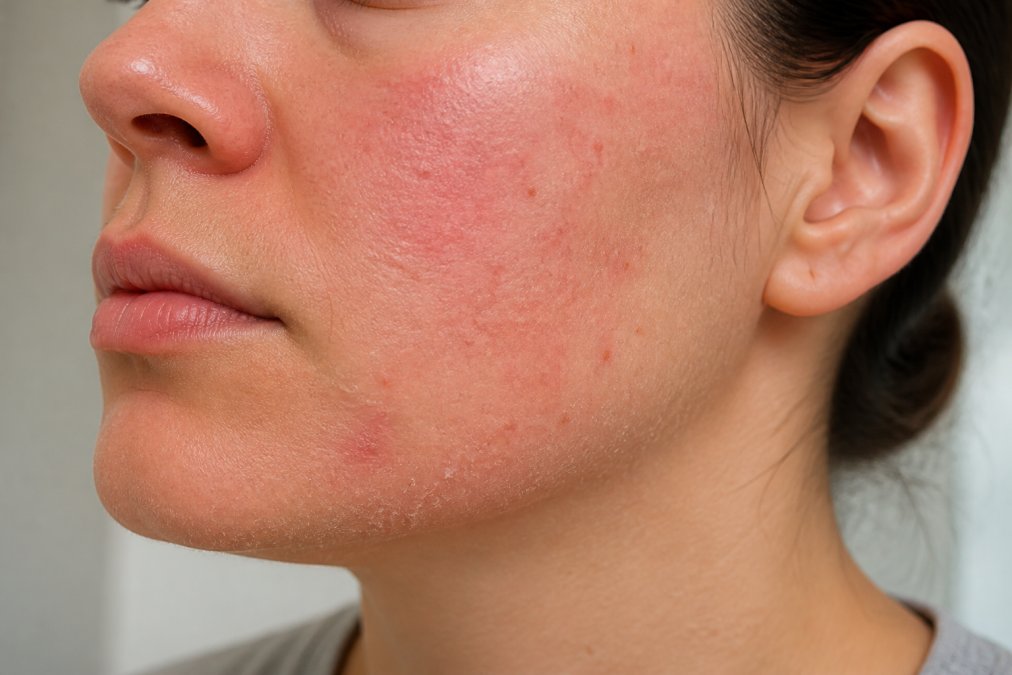
Flaking and roughness are common signs of barrier impairment. Your skin texture becomes uneven, and hydration seems impossible to maintain. Some people experience increased breakouts or a worsening of existing skin conditions. The barrier's weakened state allows bacteria and irritants deeper penetration, triggering inflammatory responses.
Itching is another red flag. If your skin feels constantly itchy or uncomfortable, your barrier is likely struggling. You might also notice dull skin lacking its normal glow, a damaged barrier can't maintain proper hydration levels, which affects how light reflects off your skin's surface.
If you're suddenly reactive to wind, cold, or heat when you weren't before, barrier damage is often the culprit. These signs indicate your skin needs targeted support to recover.
Common Causes of Barrier Impairment
Barrier damage stems from both external aggressors and internal physiological factors. Understanding both is critical to effective repair.
External Causes
Over-exfoliation is one of the most common culprits. Using physical scrubs too frequently or combining multiple chemical exfoliants damages the protective lipid layer faster than your skin can repair it.
Environmental stress plays a significant role. Harsh weather, wind, cold temperatures, and low humidity strip moisture from your skin. UV exposure damages the lipid matrix; pollution and airborne irritants trigger inflammatory responses that weaken barrier function.
Certain topical ingredients compromise barrier integrity. Retinoids, high concentrations of acids, strong essential oils, and synthetic fragrances all pose risks. Using too many active ingredients simultaneously overwhelms your skin's ability to maintain its protective layer.
Harsh cleansers and hot water strip away the natural oils that protect your barrier. Overwashing accelerates barrier breakdown by removing the sebum that acts as your skin's first line of defense.
Internal and Systemic Causes
Dehydration impairs barrier function at the cellular level. When your body is chronically dehydrated, it prioritizes vital organs over skin hydration, preventing the aquaporin-3 water channels that allow moisture to reach the stratum corneum. Drinking adequate water directly supports barrier resilience.
Dietary fat intake directly influences barrier composition. If your diet lacks essential fatty acids (omega-3 and omega-6), your body cannot synthesize the ceramides, cholesterol, and fatty acids your barrier needs. Including sources of linoleic acid, found in seeds, nuts, and plant oils, supports your skin's ability to rebuild its lipid matrix.
Chronic stress elevates cortisol, which increases skin inflammation and suppresses ceramide production. This is why barrier damage often worsens during high-stress periods.
Poor sleep quality prevents the skin's nocturnal repair cycle. During sleep, your body increases blood flow to the skin and upregulates growth hormone, which drives ceramide and lipid synthesis. Chronic sleep deprivation reduces these reparative processes and prolongs barrier recovery.
Certain systemic conditions compromise barrier function. Atopic dermatitis, rosacea, and psoriasis involve genetic and immune factors that impair barrier lipid production, making barrier maintenance an ongoing necessity.
Medications, including some oral contraceptives and corticosteroids, can affect barrier function. If you notice barrier damage coinciding with a new medication, discuss it with your healthcare provider.
Understanding these root causes is essential because barrier repair cream alone cannot overcome chronic dehydration, nutritional deficiency, or sleep deprivation. True barrier recovery requires addressing both what you apply to your skin and what you're doing internally to support it.
Best Ingredients for Skin Barrier Repair
Ceramides are non-negotiable for barrier repair. These lipid molecules are part of your skin's barrier structure. Look for ceramides NP, AP, and EOP in ingredient lists, these are the most effective forms.
Hyaluronic acid is a humectant that draws moisture into your skin and holds it there. It helps restore hydration that barrier damage has depleted, making it essential in any barrier repair cream.
Niacinamide strengthens the barrier by supporting ceramide production and reducing inflammation.
Fatty acids, including linoleic acid and oleic acid, are structural components of your barrier and help restore the barrier's lipid matrix. Squalane is an excellent occlusive that locks in moisture without feeling greasy.
Panthenol soothes irritation while supporting barrier function. Glycerin is a humectant and emollient that draws moisture in and smooths the skin's surface.
Tallow, grass-fed and minimally processed, contains a fatty acid profile remarkably similar to human sebum, making it exceptionally effective for barrier repair. Beeswax acts as a protective occlusive, sealing in moisture without clogging pores.
Tallow Balm Benefits for Skin Health
Grass-fed tallow mimics your skin's natural lipid composition more closely than most plant-based alternatives, meaning your skin absorbs it efficiently and recognizes it as a natural component of its own protective layer.
Tallow penetrates the outer layers of skin while providing occlusive protection, integrating with your barrier and supporting its function from within, making it particularly effective for barrier repair cream applications.
Tallow balm absorbs well without leaving excessive oily residue, providing hours of hydration and protection without the slick feeling that deters many from using rich moisturizers.
For those with sensitive skin or barrier damage, tallow's gentle profile makes it ideal. It contains no synthetic fragrance, no parabens, and no fillers. A single tin can replace multiple products, aligning perfectly with barrier recovery.
WAVE + SUMMIT's Fragrance Free Hand + Body Balm ($24.00 for 4 oz.) exemplifies this philosophy. Handcrafted with grass-fed tallow, jojoba oil, sweet almond oil, beeswax, and vitamin E, it delivers the barrier support your skin needs without unnecessary complexity. The Sandy Footprints version ($24.00 for 4 oz.) offers the same barrier benefits with a subtle, natural fragrance inspired by coastal walks.

How to Use a Natural Barrier Repair Cream Effectively
Application technique directly affects how well a barrier repair cream restores lipid function. Understanding the science behind each step maximizes efficacy.
Timing and Skin Preparation
Apply barrier repair cream to damp, not wet, skin. When your skin is slightly damp, water molecules create a hydration gradient that allows humectants to draw moisture deeper into the stratum corneum, while the occlusive layer seals this moisture in. Wet skin dilutes the cream's active ingredients; completely dry skin prevents effective penetration.
Cleanse with lukewarm water before application, it cleanses without disrupting the lipid matrix.
Application Amount and Technique
Start with a pea-sized portion for the face. This is sufficient because a pea-sized amount, warmed between your fingertips, covers the entire face when pressed gently into skin. Rubbing vigorously causes friction that irritates already-sensitive barrier and can trigger additional inflammation.
Press the cream into skin using gentle upward motions rather than downward strokes. This technique follows the direction of hair follicles and reduces irritation. Allow 2-3 minutes for the cream to set before applying sunscreen or other products.
Layering Strategy
The order of application matters because of molecular weight and penetration depth. Apply products in this sequence:
- Cleanser (lukewarm water)
- Hydrating toner or essence (optional; only if skin feels extremely dehydrated)
- Barrier repair cream (on damp skin)
- Sunscreen (if daytime; wait 5 minutes after cream application)
This layering method, sometimes called the "sandwich method," maximizes hydration. Water-based products penetrate first, then the occlusive cream seals everything in. Avoid mixing barrier repair cream with active ingredients like retinoids, vitamin C, or acids during the repair phase. Actives are best reintroduced after barrier function has normalized.
Frequency and Duration
Use barrier repair cream twice daily: morning and evening.
Adjustments for Specific Conditions
Travel and Outdoor Use
Building a Minimalist Routine for Barrier Recovery
The best barrier recovery routine is the simplest one. Strip away everything unnecessary and focus on the fundamentals: gentle cleansing, hydration, and occlusive protection.
Frequently Asked Questions
What are the signs of a damaged skin barrier?
A compromised skin barrier typically shows redness, persistent itching, and increased sensitivity to products you've used before. You may notice rough texture, flaking, or tightness even after moisturizing. Some people experience increased breakouts or a burning sensation when applying skincare. These occur because the protective lipid layer has weakened, allowing moisture to escape and irritants to penetrate more easily.
What ingredients should I look for in a natural barrier repair cream?
Effective natural barrier repair creams contain ceramides, fatty acids, and humectants like glycerin and hyaluronic acid that restore the lipid barrier. Niacinamide reduces inflammation and strengthens skin resilience, while occlusives like beeswax and plant oils seal in moisture. Squalane and jojoba oil mimic skin's natural sebum, and panthenol soothes while supporting hydration. Look for fragrance-free options if your barrier is severely compromised.
Is tallow balm good for skin barrier repair?
Yes. Tallow closely mimics skin's natural lipid composition, making it exceptionally effective for barrier repair. It contains fatty acids and cholesterol that directly support the skin's protective layer without the greasiness of heavier oils. Tallow balms typically include complementary ingredients like jojoba oil, beeswax, and vitamin E that work synergistically to lock in hydration and reduce transepidermal water loss. This makes them ideal for outdoor enthusiasts and those with compromised barriers.
How long does it take to repair a damaged skin barrier?
Complete restoration typically takes 4-8 weeks. Results depend on the severity of damage, your daily habits, and environmental exposure. Those in harsh climates or with frequent sun exposure may need longer. Consistency matters more than speed, using your natural barrier repair cream twice daily yields better results than sporadic application.
A damaged skin barrier doesn't have to be permanent. With the right barrier repair cream and a simplified routine, your skin can recover its protective function and return to health. WAVE + SUMMIT's Fragrance Free Hand + Body Balm provides the essential ingredients, grass-fed tallow, jojoba oil, sweet almond oil, beeswax, and vitamin E, your barrier needs to rebuild. Shop the Collection and experience the difference that honest, natural skincare makes for barrier recovery.