

Tallow Balm for Extreme Cold Weather: A How-To Guide
Table of Contents
- Why Tallow Balm Works When Extreme Cold Strips Your Skin
- What You'll Need Before You Head Out
- Step 1: Start Your Winter Skin Care Routine for Cold Weather
- Step 2: How to Protect Your Face From Cold Wind
- Step 3: When to Apply Moisturizer Before Going Outside
- Step 4: How to Treat Wind-Chapped Skin on the Trail and After
- Common Mistakes That Undo Your Tallow Balm Protection
- Frequently Asked Questions
Last Updated: October 8, 2026
Why Tallow Balm Works When Extreme Cold Strips Your Skin
The best tallow balm for extreme cold weather does one job: it keeps your skin barrier intact when wind, dry air, and freezing temperatures try to tear it down. At WAVE + SUMMIT, we build our balms around grass-fed tallow, jojoba, and sweet almond oil for exactly that reason.
Cold air holds very little moisture. Add wind, and your skin loses water fast. The result is tightness, flaking, redness, and that raw sting on your cheeks.
That is where tallow balm for extreme cold weather earns its place in your pack.
Tallow is rich in fats that closely match the oils your skin already makes. So it sinks in and supports the barrier instead of sitting on top of it. Jojoba and sweet almond oil add slip and softness. Beeswax and vitamin E help seal moisture in.
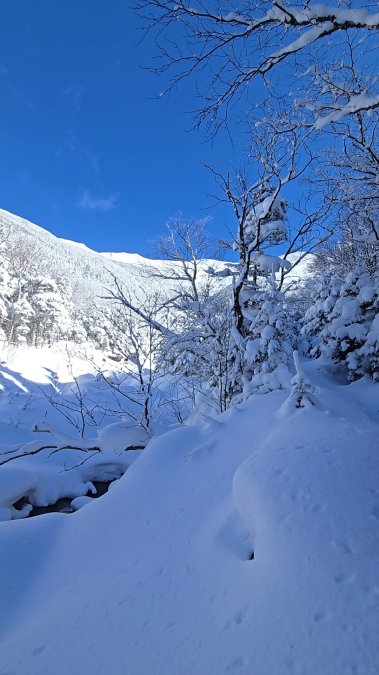
heading up Mt. Monroe, New Hampshire Presidential Range - February 2026
If you have ever climbed above treeline on a clear winter day, you know the feeling. The wind on Mount Monroe can turn a mild chill into a biting, skin-stripping blast in minutes. That is the environment this balm was made for.
What You'll Need Before You Head Out
Before you touch the trail, gather a few basics. A small tin of tallow balm, clean hands, and a plan for when you'll reapply.
Here is your short list:
- One 4 oz tin of tallow balm for face and hands
- A lip-safe layer for the corners of your mouth
- A neck gaiter or balaclava to block wind
- Gloves you can remove without exposing bare skin for long
- A small tin that fits a jacket pocket, not the bottom of your pack
The American Academy of Dermatology's winter skin guidance recommends limiting hot showers and using gentle, fragrance-free products when skin is dry and irritated. That advice pairs well with a simple balm routine.
Our Fragrance Free Hand + Body Balm is the pick for sensitive skin or anyone who wants zero added scent. It comes in a reusable 4 oz tin at $24.00, small enough to live in a chest pocket.

Fragrance Free - 4 oz
Step 1: Start Your Winter Skin Care Routine for Cold Weather
Build your winter skin care routine for cold weather around timing, not volume. A thin layer applied early beats a thick layer applied too late.
Do this before you leave the house:
- Wash with lukewarm water, not hot.
- Pat dry, leaving skin slightly damp.
- Warm a pea-sized amount of balm between your fingers.
- Press it into cheeks, nose, chin, and the backs of your hands.
- Give it two or three minutes to settle before you gear up.
That last step matters. Balm needs a moment to absorb. If you pull on a gaiter right away, most of it ends up on the fabric.
A consistent routine keeps your barrier strong all season. Skipping days and catching up later does not work as well.
Step 2: How to Protect Your Face From Cold Wind
To protect your face from cold wind, you need two things working together: a physical barrier and a balm layer. Fabric blocks the wind. Balm holds moisture in.
Wind is the real enemy above treeline. It pulls heat and moisture off your skin at the same time. On exposed ridges in the White Mountains, wind chill can drop the felt temperature far below the actual reading.
So layer up in this order:
- Balm first, pressed into exposed skin
- A gaiter or balaclava over it
- Goggles or sunglasses to cut wind at the eyes
Reapply balm to your cheeks and nose at every rest stop. It takes ten seconds and saves you a painful evening.
Our Sandy Footprints Hand + Body Balm works well here too, with a light coconut and vanilla scent that many hikers enjoy on the trail.

Sandy Footprints - 4 oz
Step 3: When to Apply Moisturizer Before Going Outside
Apply moisturizer before going outside at least five to ten minutes before you step into the cold. That window lets the balm absorb and start protecting your barrier.
If you apply it as you walk out the door, some of it will rub off on your collar and hood. Give it time to soak in.
A simple rule for winter:
Situation |
When to Apply |
Why It Matters |
|---|---|---|
Morning hike |
5-10 minutes before leaving |
Lets balm absorb |
Midday ski run |
At the base, before the lift |
Covers exposed skin early |
Overnight trip |
After washing, before bed |
Repairs skin while you sleep |
Windy summit push |
At the last sheltered stop |
Blocks wind before exposure |
Carry a small tin and reapply at each stop. Your skin will thank you by the time you reach the car.
Step 4: How to Treat Wind-Chapped Skin on the Trail and After
To treat wind-chapped skin, stop the exposure first, then rebuild the barrier. Get out of the wind, warm the skin slowly, and apply a thin layer of balm.
Chapping shows up as tight, red, cracked skin that stings when you move. It usually hits cheeks, lips, knuckles, and the corners of your nose. For a closer look at the full picture, see our guide on how to treat wind chapped skin.
On the trail:
- Find a windbreak, even a rock or tree line
- Cover the area with a dry layer
- Apply balm gently, do not rub hard
- Avoid hot water on the area
After your hike:
- Rinse with lukewarm water
- Pat dry and apply balm while skin is damp
- Repeat morning and night until the skin settles
Healing takes a few days. Keep the routine steady and skip anything harsh, like scrubs or strong acids, until the skin calms down.
Common Mistakes That Undo Your Tallow Balm Protection
The biggest mistake is applying balm once and assuming it lasts all day. Cold, wind, and sweat all wear it down. Reapply at every stop.
Other common errors:
- Using hot water to thaw cold skin, which strips oils
- Skipping the neck and ears, two spots that burn fast
- Layering balm over wet, sweaty skin without drying first
- Choosing heavily scented products when skin is already irritated
- Forgetting hands, which crack before you notice
A minimalist who hikes several times a week can often replace lip balm, face cream, and hand cream with one tin. That is the point of a good balm. One product, many uses.
If you are new to tallow, start with a small patch on your inner arm the night before a big hike. Most people find it absorbs without a greasy feel.
Frequently Asked Questions
Does tallow balm actually protect skin in extreme cold weather?
Yes. Tallow balm creates a protective barrier that slows moisture loss and shields skin from wind. Grass-fed tallow closely resembles the oils your skin produces naturally, so it absorbs without sitting on top like a heavy wax. Beeswax and vitamin E in formulas like Wave + Summit's Hand + Body Balm lock in hydration and help defend against dryness. Apply before heading out, and reapply every two to three hours during extended exposure to maintain that barrier.
How should you apply tallow balm before going out in the cold?
Start with clean, dry skin. Warm a pea-sized amount between your fingertips and press it into your face, lips, hands, and any exposed areas. Give it five to ten minutes to absorb before you step outside. If you are heading into serious wind, add a second thin layer on your cheeks and nose. The goal is a light, even film, not a thick coating that will just wipe off on your scarf.
Can tallow balm help with wind-chapped skin?
It can. Wind-chapping happens when cold air pulls moisture from your skin faster than your barrier can replace it. Tallow balm replenishes that moisture and seals it in. For chapped skin, apply a generous layer at the end of the day and let it sit. If your skin is cracked or bleeding, treat that as a wound and see a doctor. For redness, tightness, and flaking, tallow balm used consistently usually calms things down within a few days.
Is tallow balm suitable for sensitive or acne-prone skin?
Many people with sensitive skin tolerate tallow well because it is low in synthetic additives. Wave + Summit's Fragrance Free Hand + Body Balm skips added fragrance entirely, which helps if you react to scented products. That said, acne-prone skin varies. Tallow is rich, so if you are prone to breakouts, patch-test on your jawline for a few days before using it on your whole face. If you are already managing acne with a dermatologist, ask before adding anything new.
Cold weather does not have to mean cracked, stinging skin. With the right routine and a balm built for the elements, you can stay out longer and enjoy the quiet of a winter summit. WAVE + SUMMIT handcrafts tallow balms with grass-fed tallow, jojoba, and sweet almond oil, made in small batches and packaged in reusable tins. Shop the collection and give your skin the barrier it needs for every adventure.