

Why Don't Dermatologists Like Tallow?
Table of Contents
- The Dermatological Consensus on Tallow: A Closer Look
- The Fatty Acid Profile: Tallow vs. Human Sebum
- Is Tallow Comedogenic? Understanding Pore-Clogging Potential
- The Benefits of Grass-Fed Tallow for Skin: What the Science Says
- Tallow vs. Plant-Based Oils: Which Is Better for Your Skin Barrier?
- The Regulatory Reality: Why Tallow Lacks FDA-Approved Safety Monographs
- Conclusion: Making an Informed Choice for Your Skin
- Frequently Asked Questions
Last Updated: September 25, 2026
The Dermatological Consensus on Tallow: A Closer Look
Ask a dermatologist about tallow and you'll usually get a cautious answer, not a hostile one. The hesitation comes down to three things: tallow's fatty acid profile, its comedogenic potential, and the absence of FDA-approved safety monographs for cosmetic use. At WAVE + SUMMIT, we handcraft tallow balms for outdoor skin, so we have a stake in this debate. We also think you deserve the unvarnished answer to "Why don't dermatologists like tallow?", not a marketing spin on it.
Tallow is rendered beef fat, typically from cattle raised for meat production. It has been used as a skin salve for centuries, long before commercial moisturizers existed. That history is real. So is the dermatological skepticism.
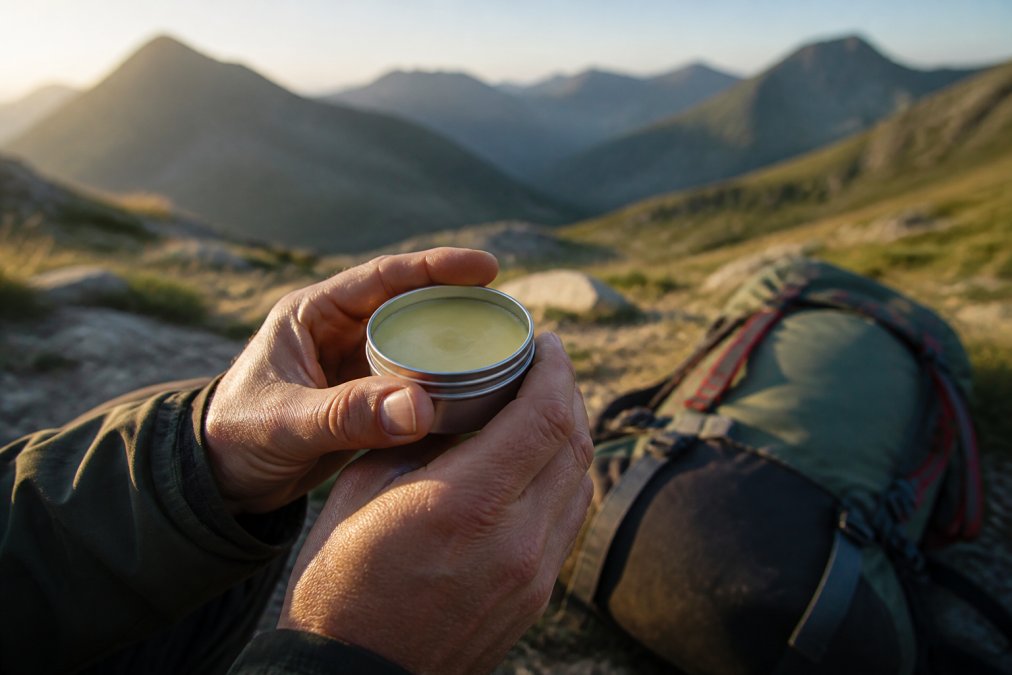
The core objection isn't that tallow is dangerous. It's that tallow is unproven by the standards dermatology uses to evaluate ingredients. Cosmetic ingredients in the United States are largely self-regulated, and the FDA's guidance on cosmetic ingredient safety places the burden of substantiation on manufacturers rather than requiring pre-market approval. That gap matters when a brand claims a fat can repair a compromised lipid barrier.
The Comedogenic Risk and Acne-Prone Skin
The comedogenic scale rates how likely an ingredient is to clog pores, typically from 0 to 5. Tallow sits in a contested middle range. Many dermatologists place it around 2, meaning moderate pore-clogging potential for acne-prone skin. Some sources rate it higher.
The concern is not theoretical. Sebum, the oil your skin produces naturally, is a complex mixture. When you apply a heavy occlusive fat on top of that, you can trap dead skin cells and bacteria in the pore. For someone with clear skin, that's rarely a problem. For someone managing acne, it can be.
A common mistake is assuming "natural" means "non-comedogenic." It doesn't. Coconut oil is natural and highly comedogenic. So the honest answer for acne-prone readers is: patch test first, and don't assume tallow is safe for your skin just because it comes from a pasture.
The Fatty Acid Profile: Tallow vs. Human Sebum
Tallow's fatty acid profile is often described as "bio-identical" to human sebum. That claim deserves scrutiny, because the two are similar in category but different in proportion, and the proportions are what drive skin behavior.
Human sebum is a complex mixture. Published dermatology references generally describe it as roughly 57% triglycerides, 26% wax esters, 12% squalene, and smaller amounts of cholesterol and free fatty acids. The exact ratio shifts with age, hormones, and genetics, which is one reason two people with the same skin type can react differently to the same product.
Tallow is predominantly saturated and monounsaturated fat. Its main fatty acids are:
- Palmitic acid (saturated): Gives tallow its firm, stable texture and contributes to its occlusive seal.
- Stearic acid (saturated): Adds structure and helps the balm hold up in warm conditions.
- Oleic acid (monounsaturated): Provides emollient spread and is the fatty acid most often cited in the sebum comparison.
- Myristic acid (saturated): A smaller but meaningful share that contributes to richness.
The overlap is real but partial. Tallow contains palmitic and stearic acids, both saturated fats that give it a firm, stable texture. It also carries oleic acid, a monounsaturated fat that is generally well-tolerated and helps with emollient spread. Human sebum contains oleic acid too, which is one reason the comparison gets made.
But "similar" is not "identical." Human sebum is a wax-ester-rich, squalene-rich fluid designed to be fluid at skin temperature. Tallow is a triglyceride-dominant solid fat that melts on contact. A fatty acid profile that looks close on paper does not guarantee the same behavior on skin. Bioavailability, how the skin absorbs and uses a fat, depends on formulation, not just chemistry.
There is also a mechanism worth understanding: oleic acid is not universally benign. In higher concentrations, oleic acid can disrupt the skin's lipid barrier and has been studied for its role in comedone formation. That is why the same fatty acid that makes tallow feel nourishing can, for some acne-prone users, contribute to pore congestion. The dose and the formulation matter more than the ingredient name.
Is Tallow Comedogenic? Understanding Pore-Clogging Potential
Tallow's comedogenic rating is debated, and the honest answer is that it depends on the individual. The ingredient itself sits in the moderate range, but how it performs depends on your skin type, your cleansing routine, and how much you apply.
Here's what matters in practice:
- Oleic acid content: Higher oleic acid can feel richer but may be heavier on oily skin.
- Application amount: A thin layer absorbs; a thick layer sits on top and can trap debris.
- Cleansing routine: If you don't remove the balm properly at night, residue builds up.
- Skin type: Dry and mature skin generally tolerates occlusive fats better than oily skin.
The Benefits of Grass-Fed Tallow for Skin: What the Science Says
The benefits of grass-fed tallow for skin are mostly about moisturization and barrier support, not active treatment. Tallow is an emollient and an occlusive. Emollients soften and smooth; occlusives create a seal that reduces trans-epidermal water loss.
That seal is genuinely useful in harsh conditions. Wind, cold, and dry altitude air strip moisture from skin faster than most people realize. An occlusive balm can slow that loss and give the lipid barrier time to recover. This is why tallow balms have a following among hikers, skiers, and anyone spending long hours outdoors.
What tallow does not do is treat acne, fade scars, or replace a prescription retinoid. It is a moisturizer, not an active. If a brand tells you otherwise, be skeptical.
Tallow vs. Plant-Based Oils: Which Is Better for Your Skin Barrier?
Neither tallow nor plant-based oils win outright. The right choice depends on your skin, your climate, and what you're trying to achieve. Here's how the main categories compare:
| Option | Texture | Best For | Watch Out For |
|---|---|---|---|
| Tallow balm | Firm, buttery | Dry skin, cold climates, barrier repair | Moderate comedogenic risk |
| Jojoba oil | Light, liquid wax | Most skin types, acne-prone | Less occlusive in harsh wind |
| Sweet almond oil | Light, absorbs fast | Normal to dry skin | Nut allergy risk |
| Coconut oil | Rich, solid | Body, not face | High comedogenic rating |
| Olive oil | Heavy, oily | Very dry body skin | Can feel greasy, may clog pores |
The pattern is clear. Lighter plant oils like jojoba and sweet almond work well for daily facial use and acne-prone skin. Heavier occlusives like tallow and coconut oil shine in cold, dry conditions where barrier protection matters more than lightness.
For outdoor use, a blend often beats a single ingredient. WAVE + SUMMIT combines grass-fed tallow with jojoba and sweet almond oil, which balances tallow's occlusive strength with lighter oils that spread and absorb more easily.
The Regulatory Reality: Why Tallow Lacks FDA-Approved Safety Monographs
There are no FDA-approved safety monographs for tallow as a cosmetic ingredient.
Conclusion: Making an Informed Choice for Your Skin
The honest summary of why don't dermatologists like tallow? is that they don't dislike it because it's harmful. They dislike the gap between the claims made for it and the clinical evidence behind those claims. Tallow is a legitimate emollient and occlusive with real moisturizing value, especially for dry, wind-beaten outdoor skin. It is not a cure-all, and it carries a moderate comedogenic risk that acne-prone users should respect.
Frequently Asked Questions
Do dermatologists recommend tallow for skin?
Most dermatologists do not recommend tallow as a primary skincare ingredient because it lacks FDA-approved safety monographs and clinical evidence. While tallow's fatty acid profile resembles human sebum, its high oleic acid content can be comedogenic for acne-prone skin. Dermatologists typically favor non-comedogenic, hypoallergenic moisturizers with proven safety and efficacy. If you choose tallow, patch-test first and consult a dermatologist, especially if you have sensitive or acne-prone skin.
Is tallow comedogenic and will it clog pores?
Tallow can be comedogenic due to its oleic acid content, which may clog pores in acne-prone individuals. However, not all tallow products are equally pore-clogging; the risk depends on the full formulation and your skin type. Grass-fed tallow combined with non-comedogenic oils like jojoba may reduce the risk. If you are prone to acne, look for products labeled non-comedogenic and perform a patch test before applying to your face.
What are the potential risks of using beef tallow on the face?
Risks include pore-clogging and allergic reactions. For sensitive or acne-prone skin, tallow may cause dermatitis or inflammation. Always choose a reputable brand that provides sourcing transparency, and consult a dermatologist if you have concerns.
How does tallow compare to modern dermatological moisturizers?
Modern moisturizers are often non-comedogenic, hypoallergenic, and clinically tested for safety and efficacy. Tallow, while rich in fatty acids, lacks scientific validation and may be comedogenic. However, tallow can be an effective emollient and occlusive for some, especially in harsh climates. The choice depends on your skin's needs: if you prioritize natural ingredients and barrier protection, tallow may work; if you need proven, regulated options, a dermatologist-recommended moisturizer is safer.